Challenge
Guide a newly formed team through the planning and design phases of a complex new physics simulation software, navigating stakeholders’ many differing opinions about what should be created and how the features should fit together.


A simulation tool that speeds training and analysis for operators and defense specialists who need to visualize and plan for space-based threats
Guide a newly formed team through the planning and design phases of a complex new physics simulation software, navigating stakeholders’ many differing opinions about what should be created and how the features should fit together.
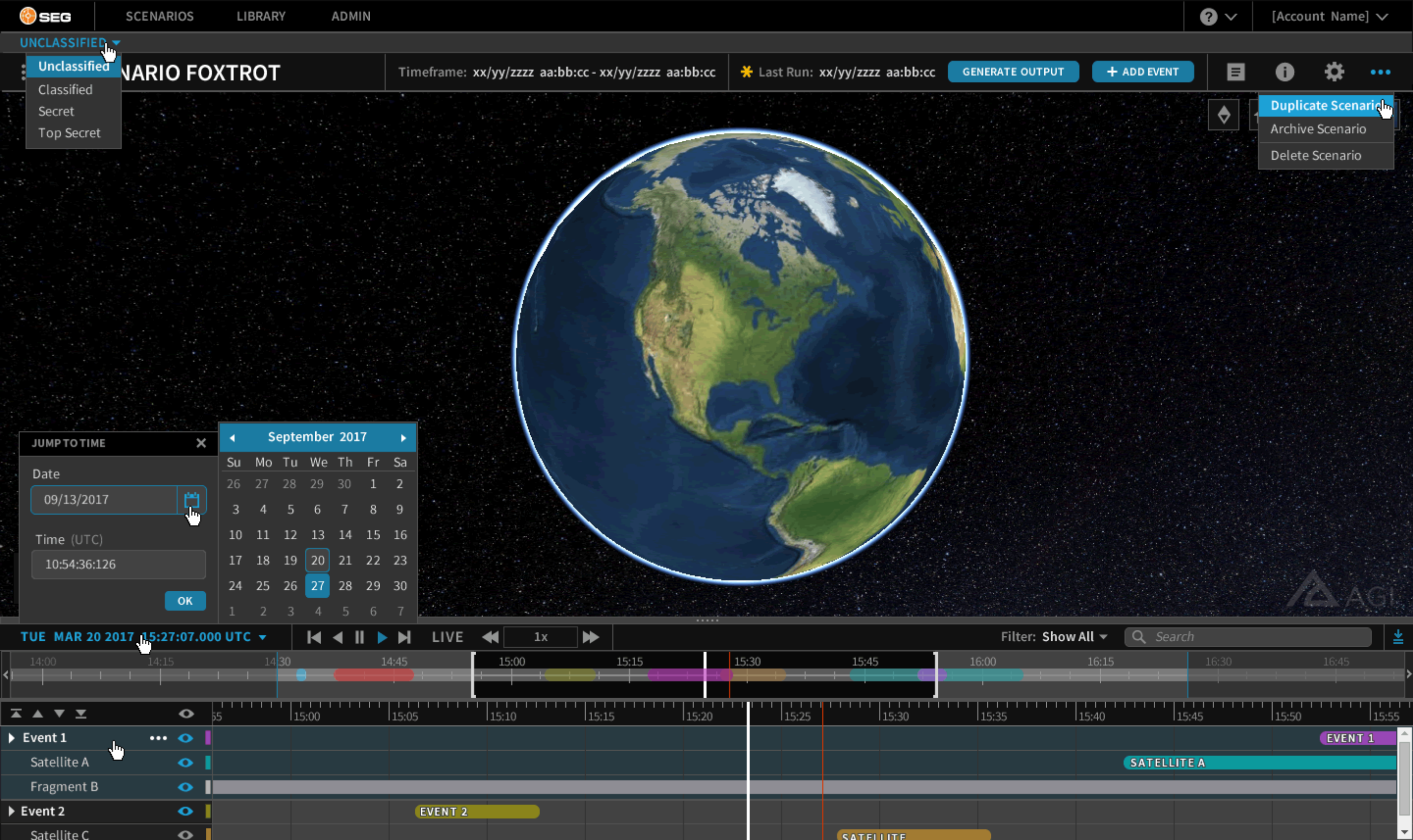
A new product that manages and simulates aerospace scenarios in a single integrated workspace with high-fidelity physics, an expansive library of simulated objects, and an interface that guides operators and trainees in how to get the best possible data and output.
Owned end-to-end UX for a pre-release physics simulation product. Acted as a communication bridge between aerospace scientists and engineering, while establishing Agile processes in a team with no prior design support.
With the ever-increasing profusion of satellites and debris above Earth, spacecraft maneuvers and other events in space are difficult to model, execute, and evaluate. Multi-million-dollar machines are on the line, and customers need the ability to plan out and visualize these risky situations with high-fidelity physics. Scattered tools existed, but building a workable scenario while skipping from one software to the next, broke the flow of information and caused the time and cost of planning to balloon. The business wanted to offer an all-in-one software that would help guide operators without extensive astrodynamics training in building and analyzing data from complex aerospace events.
When I came into the team, the company had been planning for this new product for several months. There was a gap in the market for a consolidated tool that could handle complex, multi-event astrodynamics simulations, and we were well staffed and positioned to develop a software offering to fit that need. As with other projects at this company, I was the first usability analyst most of the the senior developers and scientists had worked with. Leadership tasked me with both supporting the team’s design needs and helping the scrum master in establish strong Agile processes within a group who had typically worked in ad-hoc silos on previous projects.
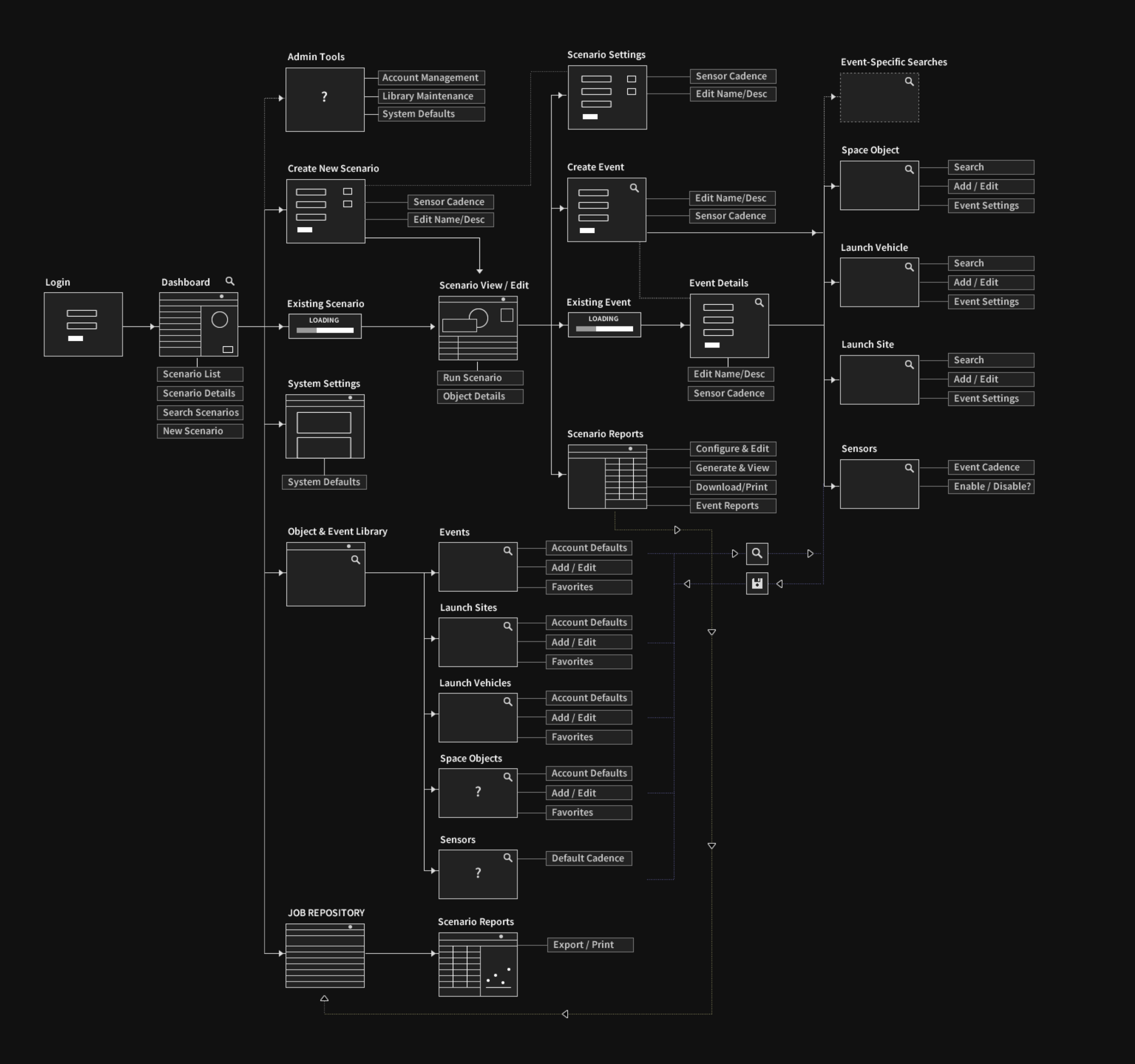
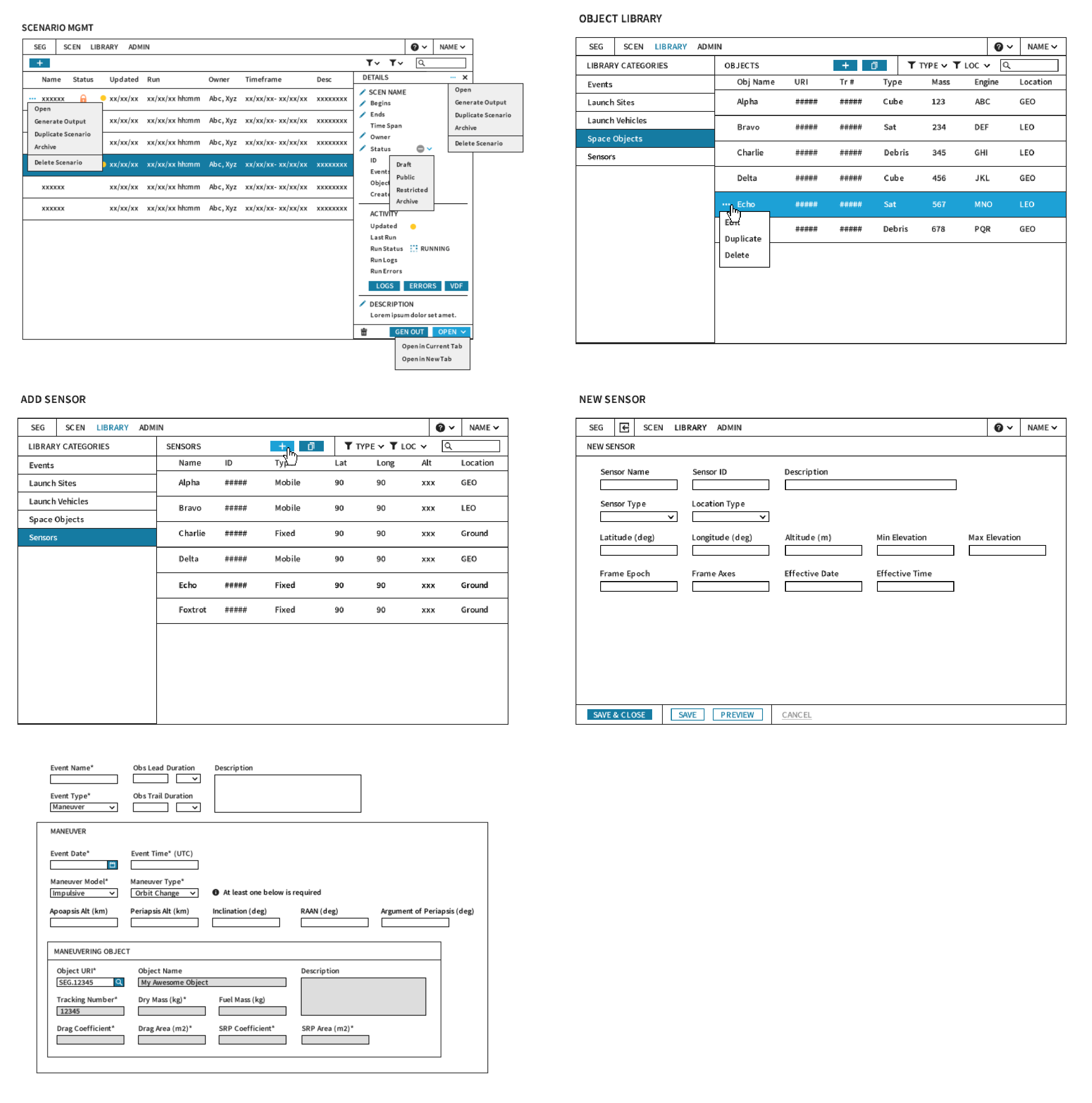
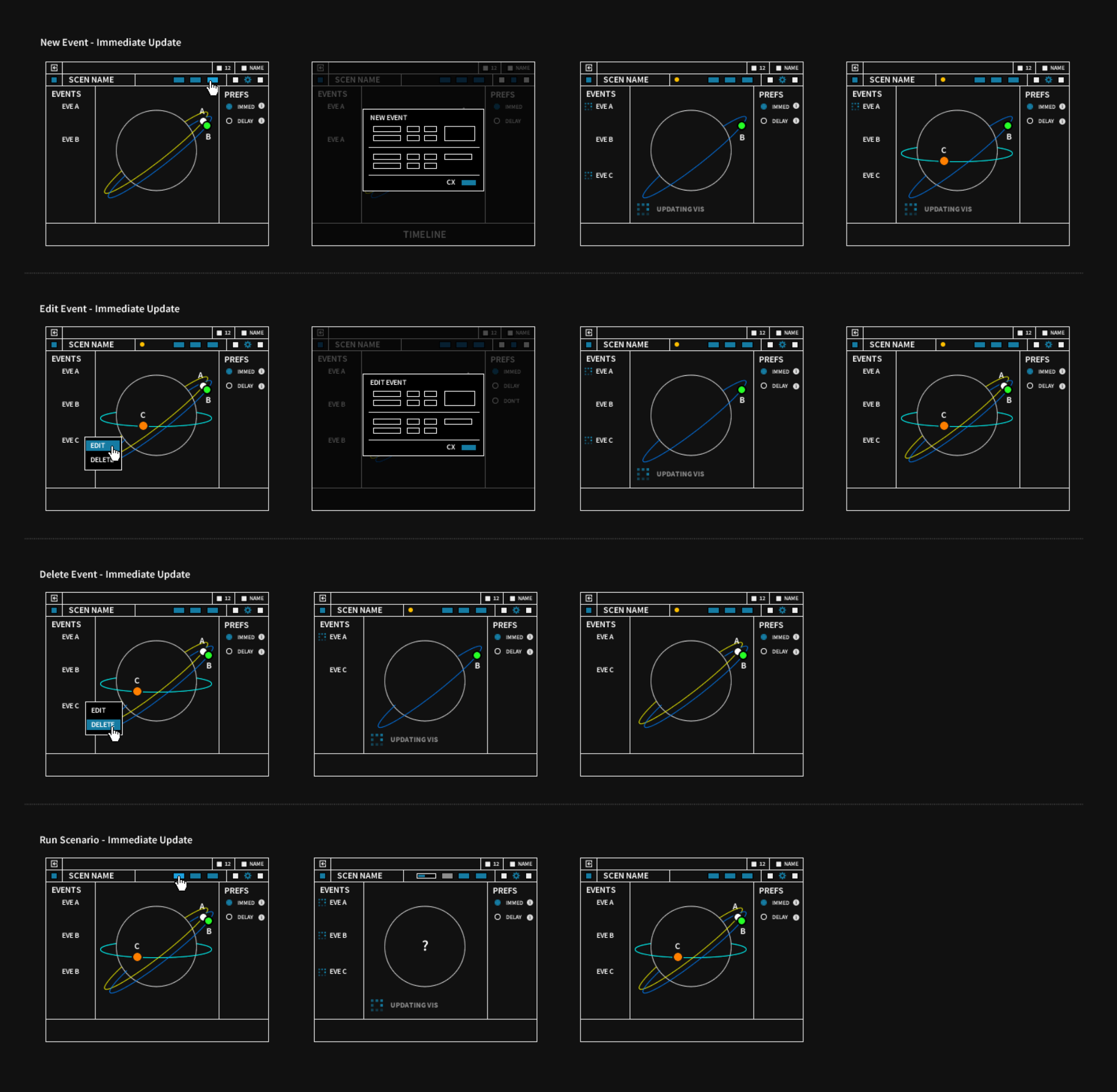
I first needed to understand what we were building and why. I began with interviewing our in-house aerospace scientists, engineers, and project managers to understand the market, opportunity, company goals, and user needs. It quickly became evident that several members of the team had very different ideas about what was to be built. To begin building consensus, I started with a workflow diagram. This had to be reworked several times concurrently with wireframing, as the requirements and their priorities continued to shift throughout planning and development. Still, diagram after diagram, we came closer to agreeing on the goal and were finally able to make a plan for the following sprints with the full team in agreement on the project’s MVP (minimum viable product).
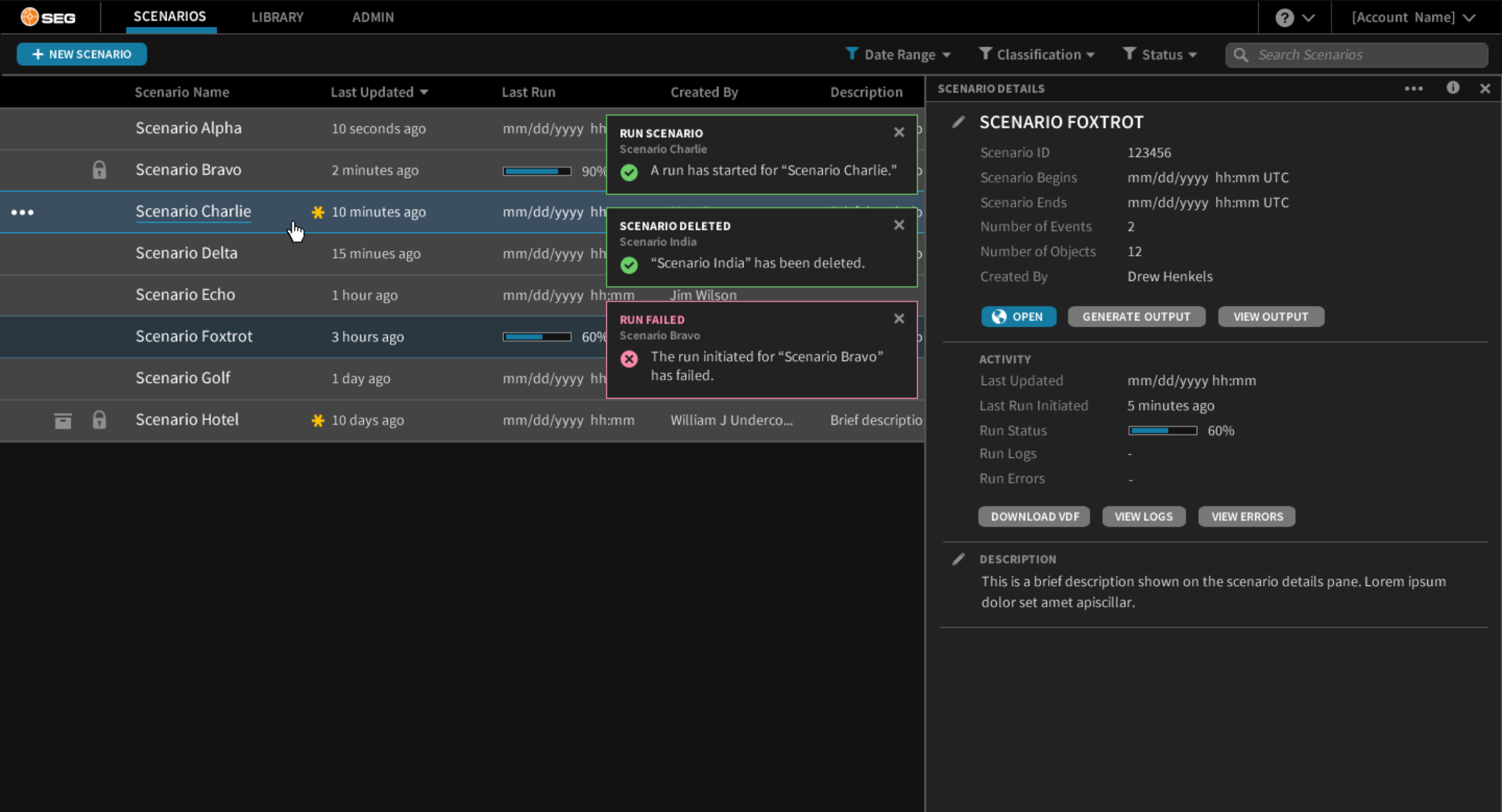
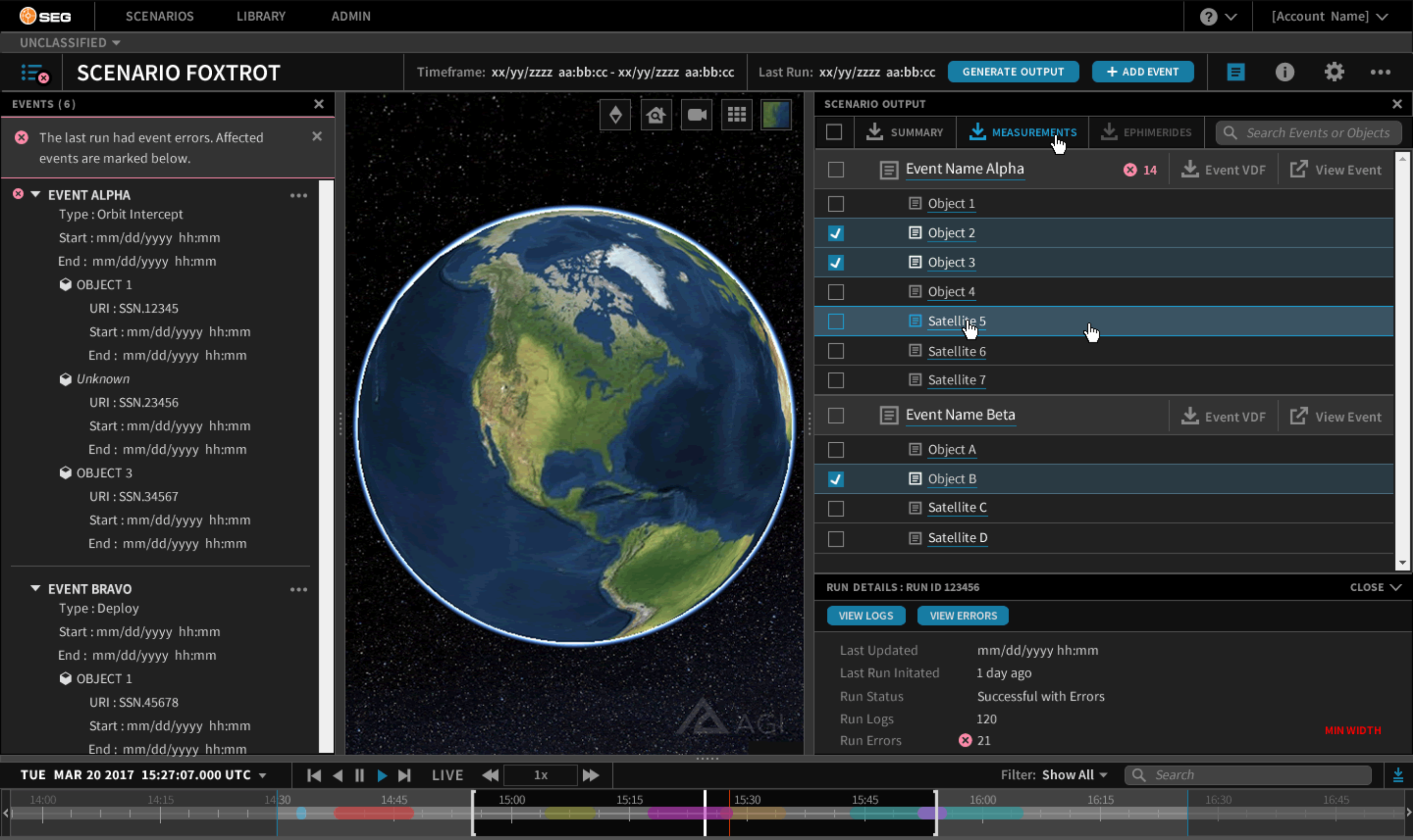
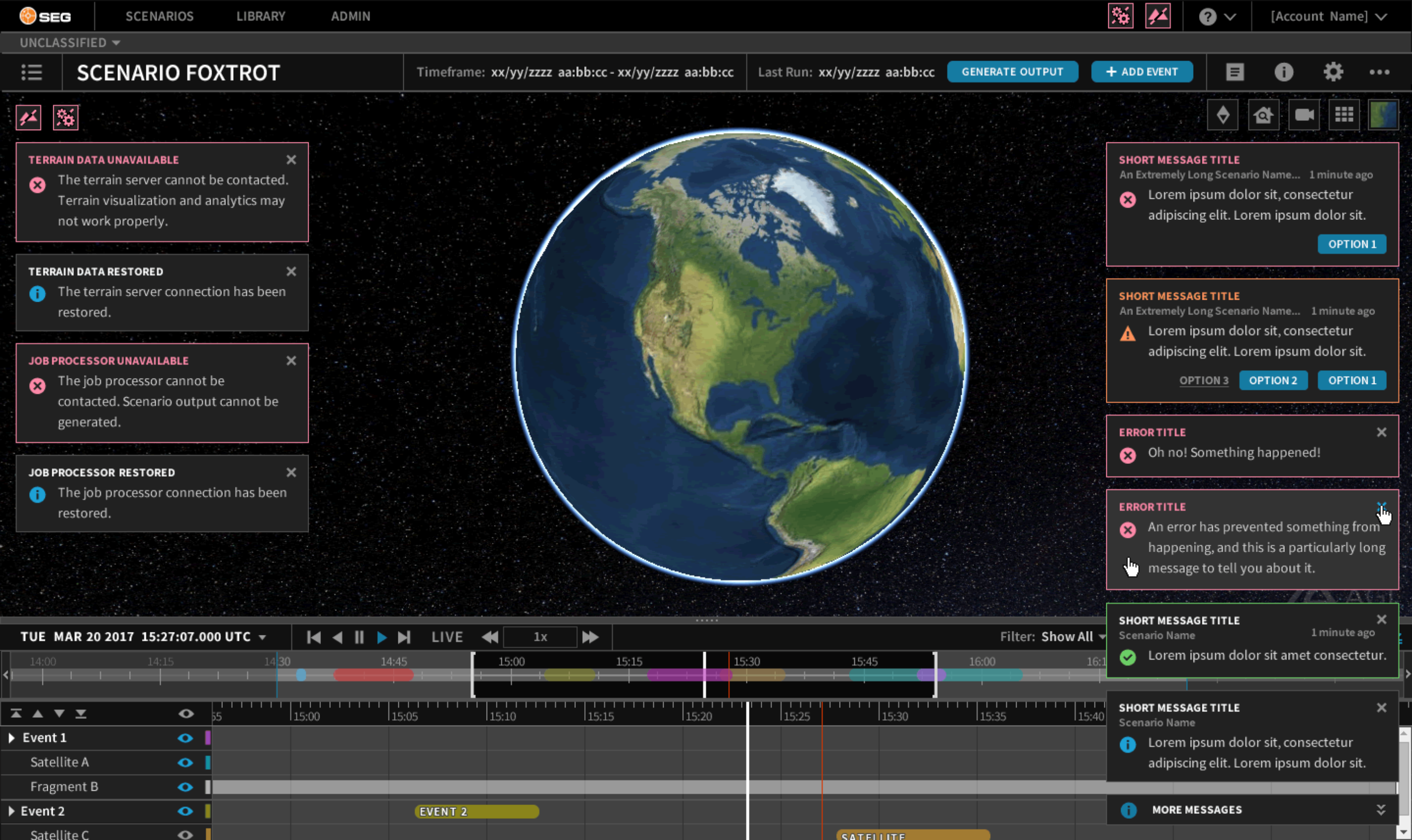
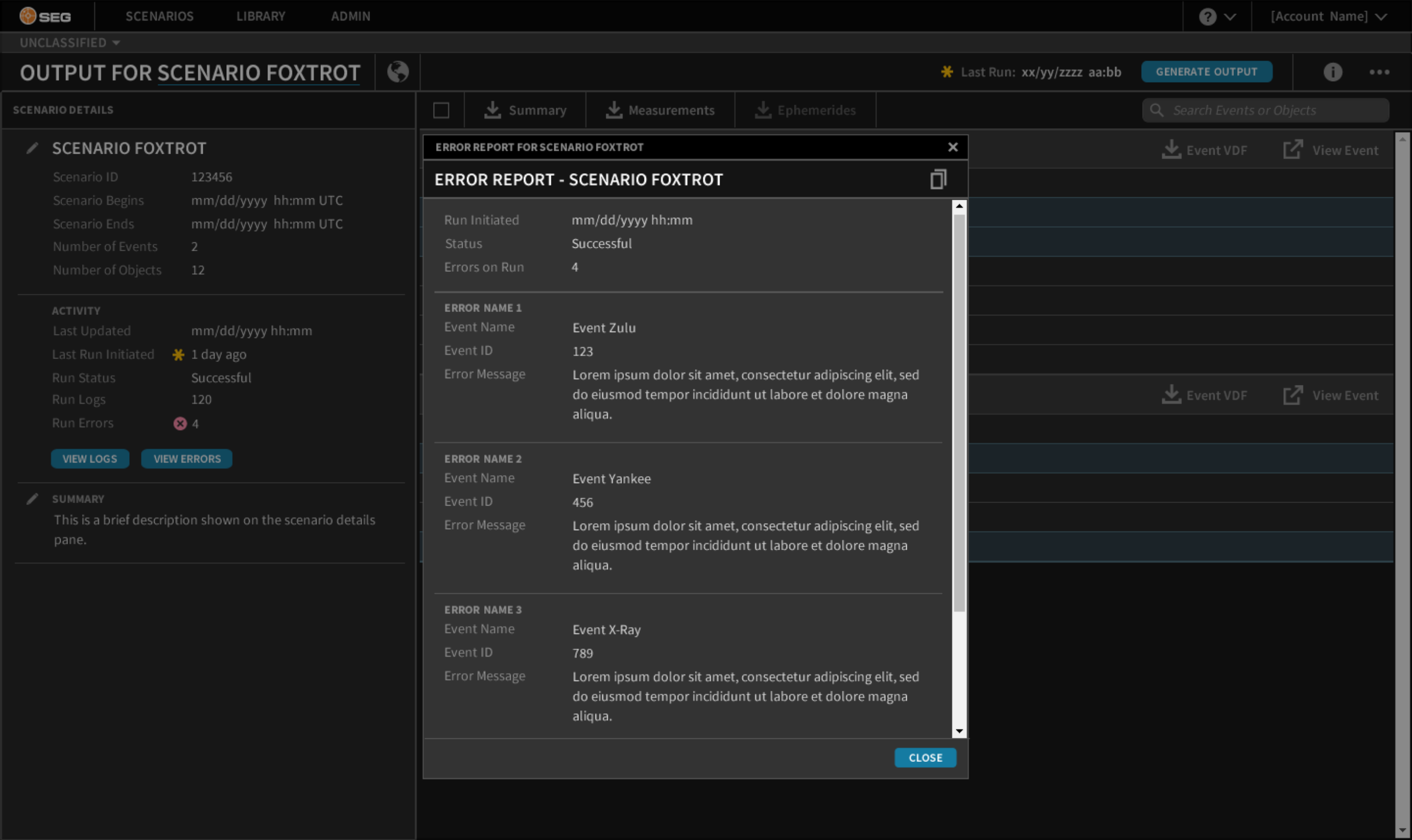
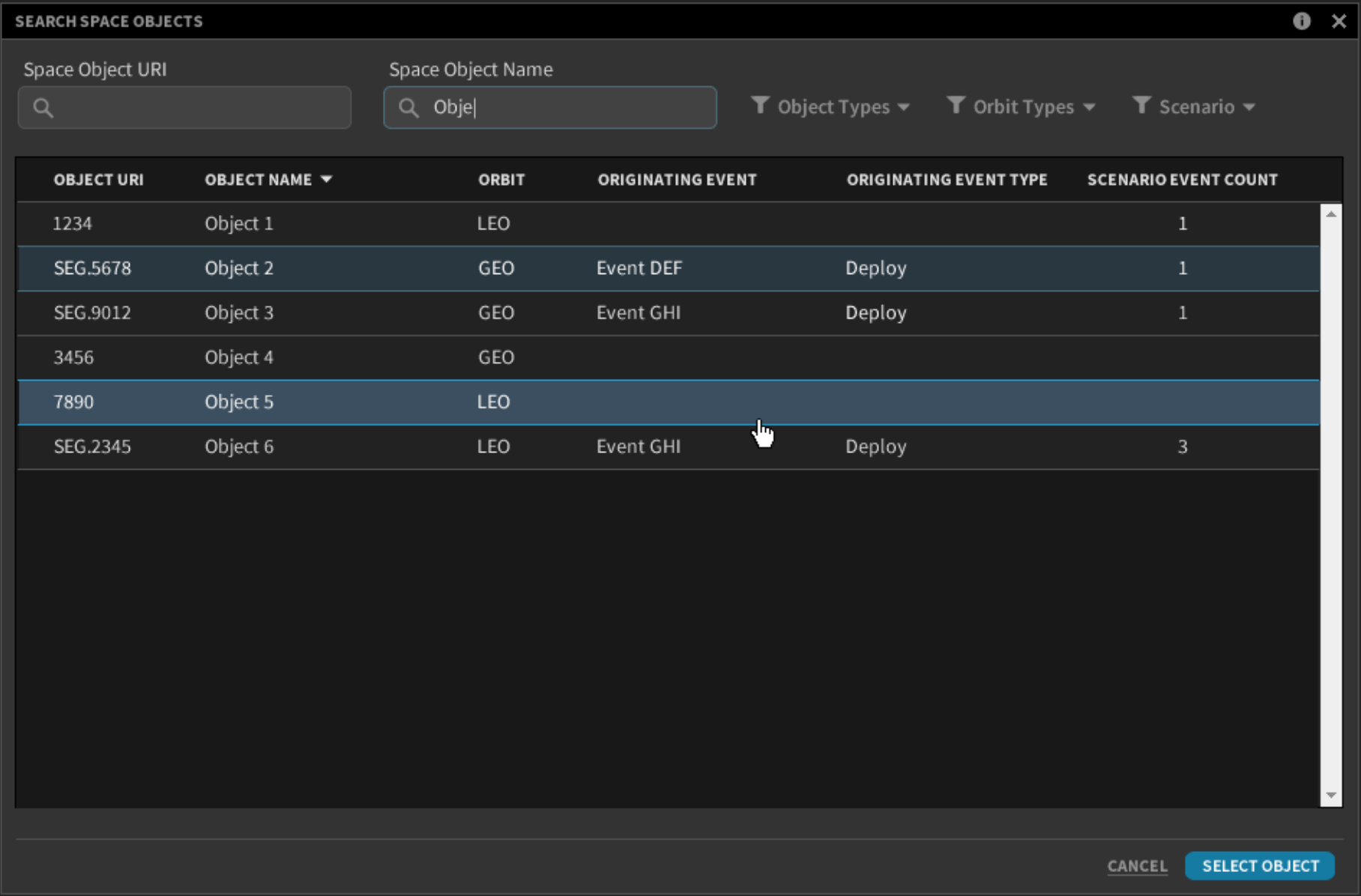
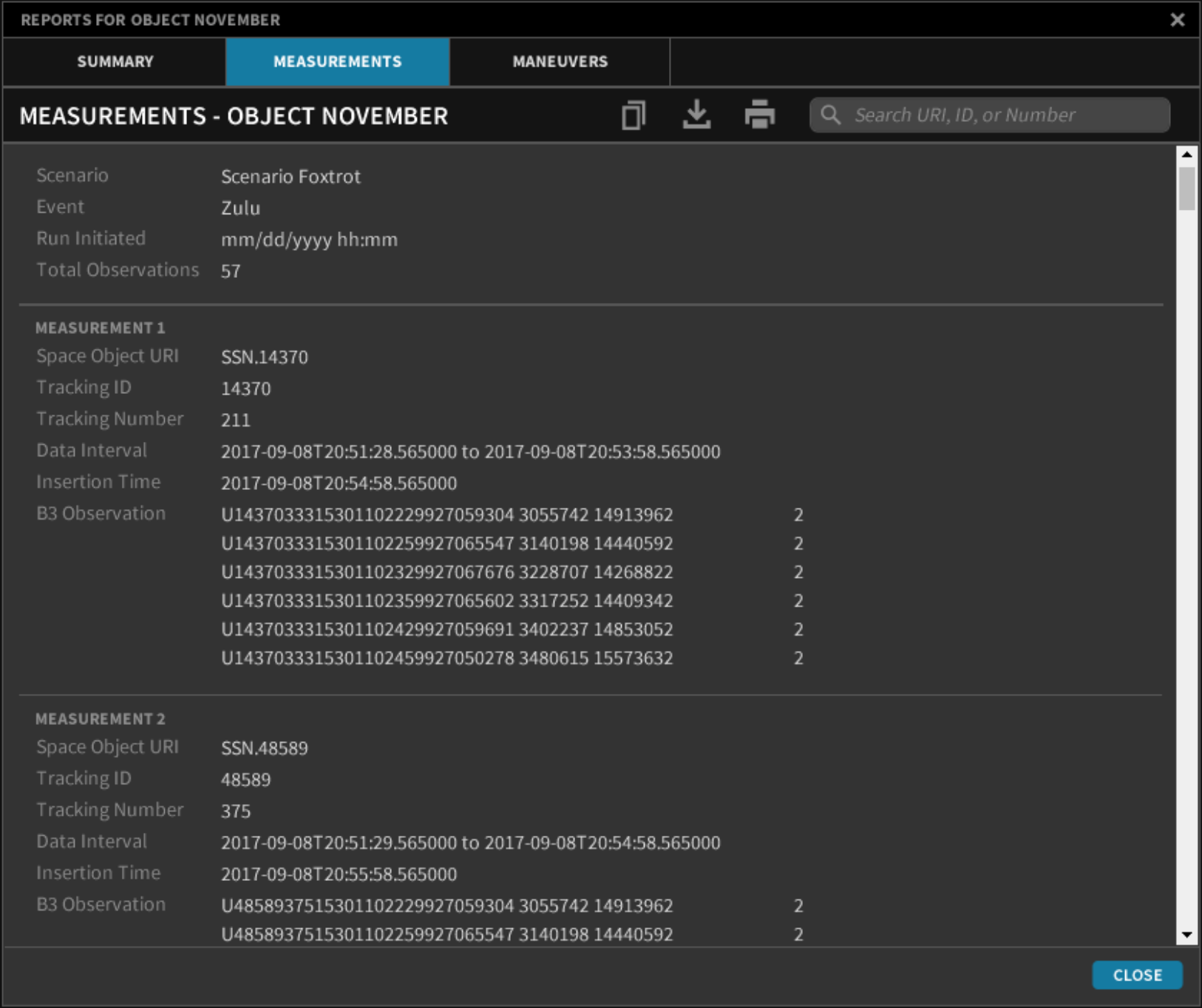
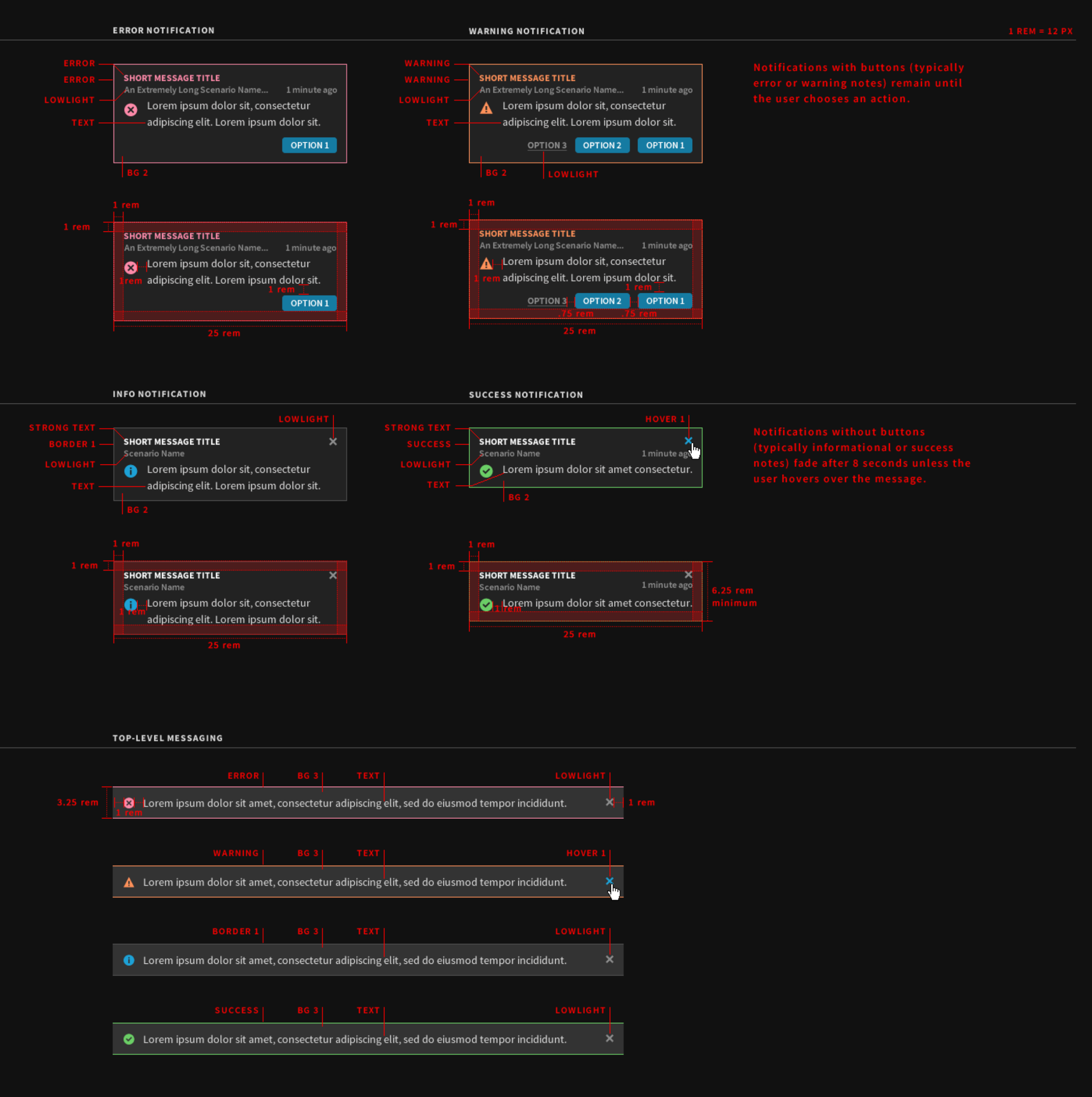
By the time this project got underway, my UX team and I had already established a style guide of usability standards, complete with reusable UI elements from another concurrent project. By reusing the visual styles, iconography, and interface layouts specified in the style guide, we were able to boost consistency within the company’s software and speed up the design and development work. SEG had many unique widgets and features that required new analysis, but the UX team’s thorough stylistic guidelines made the high-fidelity mockups and red-line specifications much easier.
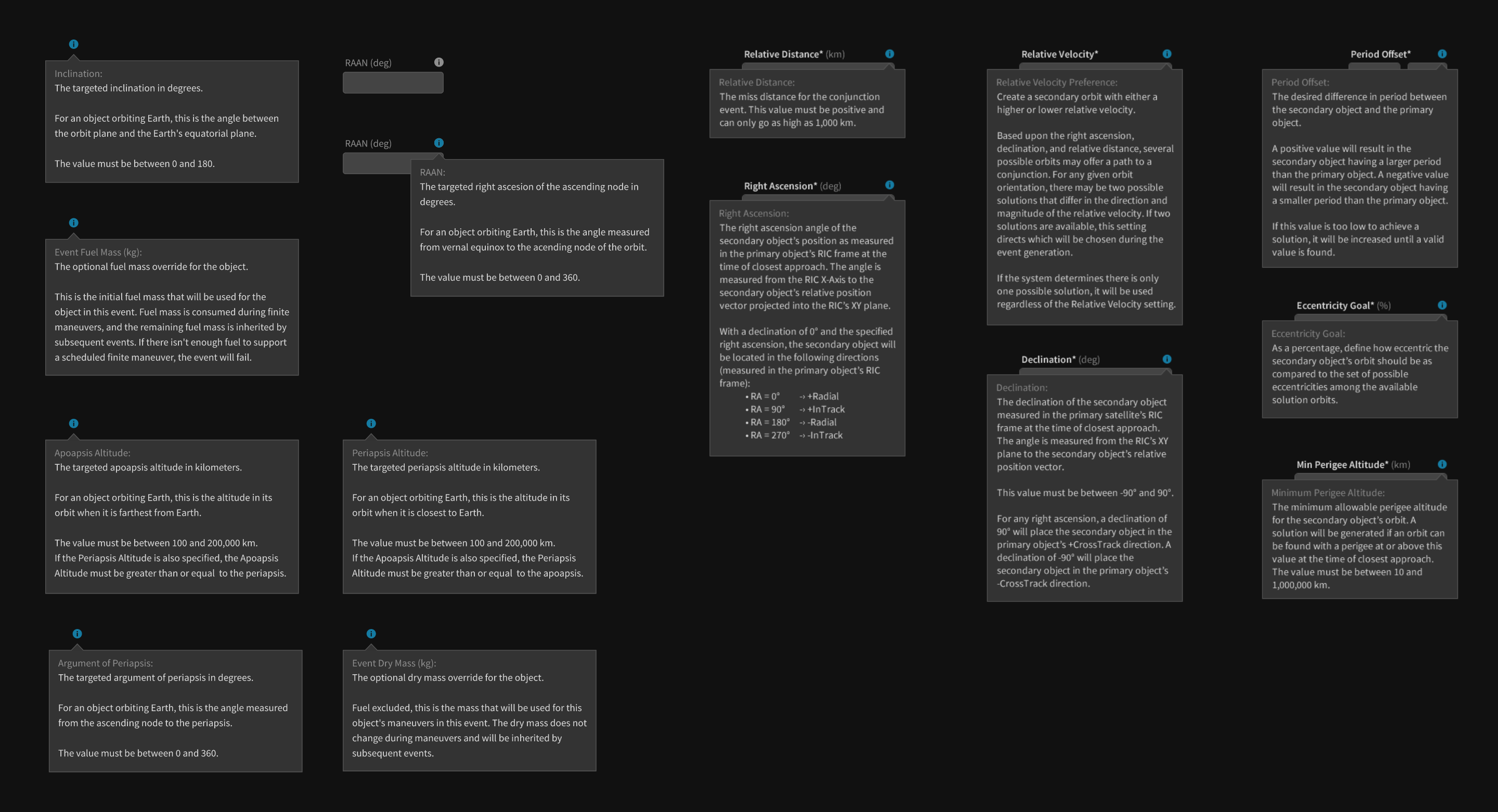
A notable challenge with this project was that I needed to write all of the interface copy, including the in-context help. Due to the complex physics and math underlying the event creation forms, simple field labels could leave users confused about exactly how the inputs would interact with one another to determine the results. To aid understanding, I wrote help fly-outs for almost all fields, revising them multiple times to make the language comprehensible to new users.
When building for highly technical domains with no existing users or competitors, the designer helps act as a translator between science and software. By using visual diagrams and wireframes to align stakeholders early and leveraging a robust design system, we delivered a complex simulation tool on schedule while establishing a repeatable Agile process for future R&D projects.

2026 KCO